

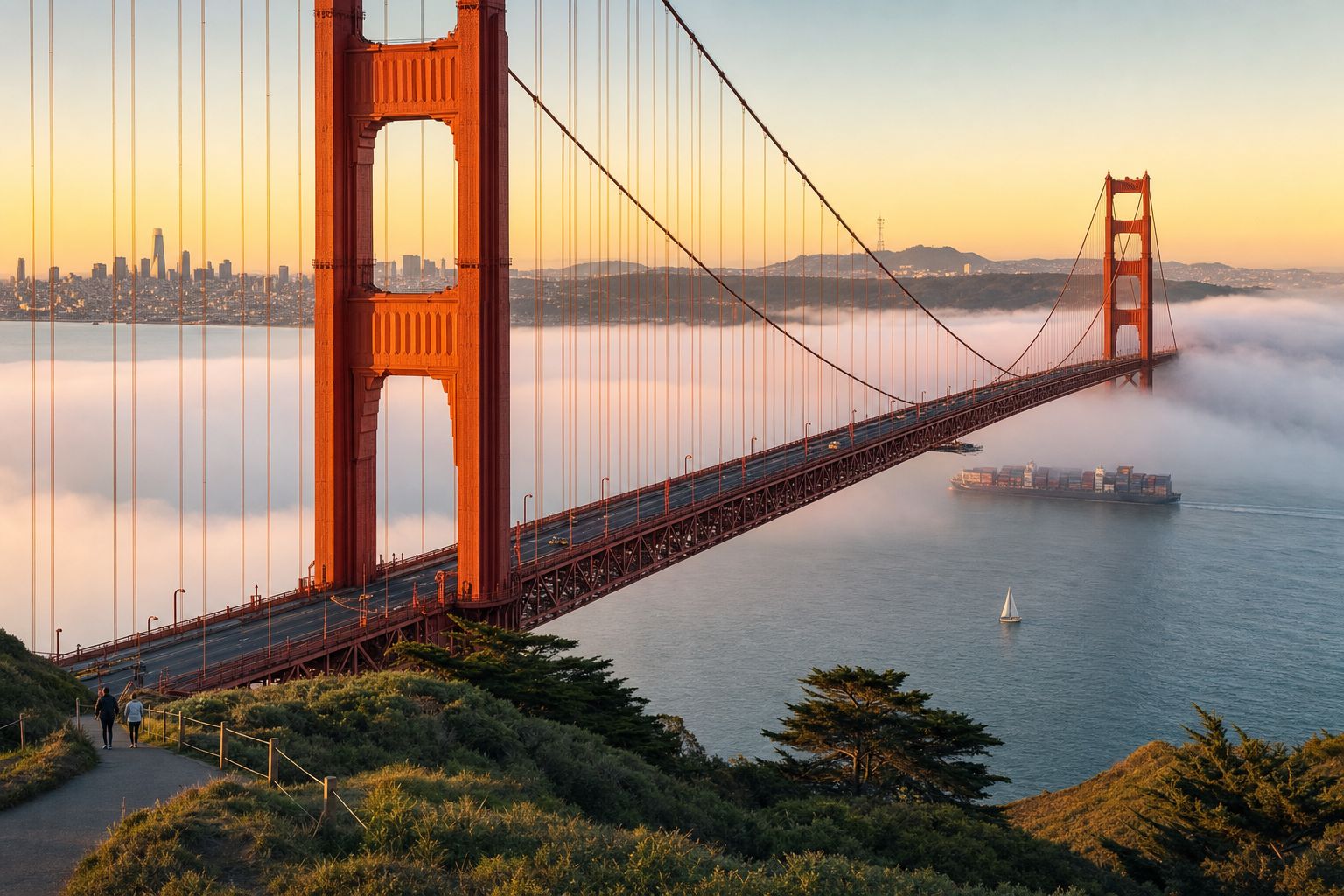
No single thread ties together California's last century and a quarter. That’s rather the point. The state that entered the 1900s on cattle, wheat and gold-rush leftovers exits its first modern century as a synonym for the film industry, the aerospace industry, and the technology industry in turn, punctuated by a catastrophic earthquake, a world war, and social movements that reshaped the rest of the country as much as they did California itself.
The 1906 Earthquake and a City Rebuilt
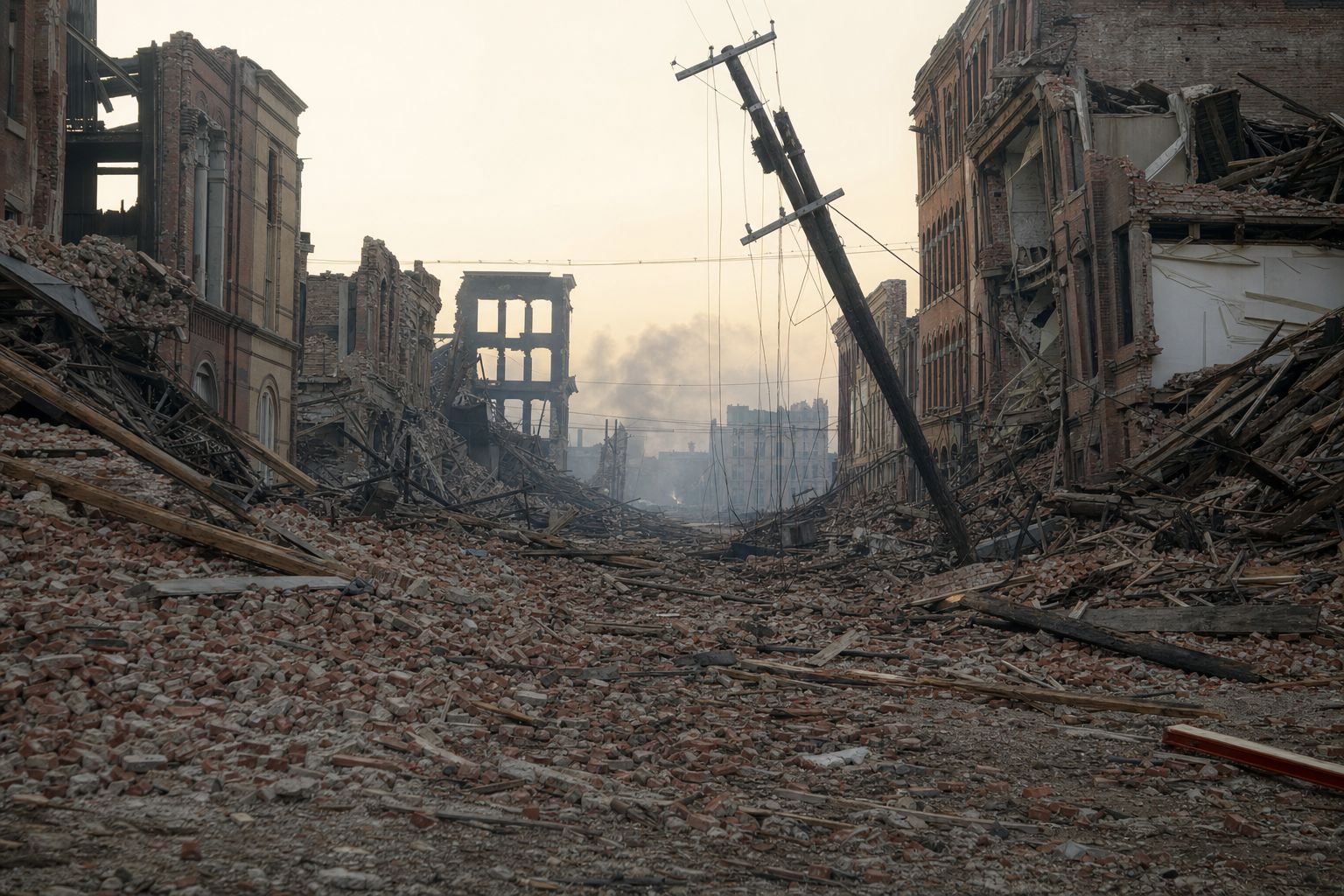
On April 18, 1906, a major earthquake struck San Francisco, rupturing the San Andreas Fault and triggering fires that burned for days and destroyed far more of the city than the earthquake itself. Estimates of the death toll (long undercounted in official records) run into the thousands. San Francisco rebuilt rapidly, and by 1915 was confident enough in its recovery to host the Panama-Pacific International Exposition, a world’s fair celebrating both the rebuilt city and the newly completed Panama Canal.
It was not the last major earthquake to shape the region: the 1989 Loma Prieta earthquake struck during a World Series game at Candlestick Park, killed 63 people, and collapsed a section of the Bay Bridge — a reminder that the fault line running under 1906 San Francisco never went anywhere.
Water, Oil and the Film Industry
Southern California's early-twentieth-century growth depended on infrastructure most visitors never think about: the Los Angeles Aqueduct, completed in 1913 under engineer William Mulholland, brought water more than 200 miles from the Owens Valley to a growing Los Angeles — a project whose methods remain controversial to this day. Around the same period, oil discoveries across the Los Angeles basin fueled an industrial boom, while filmmakers drawn by cheap land, varied scenery and near-constant sunshine built Hollywood into the center of the American film industry through the 1910s and 1920s.
Depression, War and Internment
The 1930s brought the Dust Bowl migration, as tens of thousands of families fled drought and economic collapse in the Great Plains for California's Central Valley — the migration John Steinbeck documented in The Grapes of Wrath. World War II then transformed the state's economy again: California's shipyards and aircraft plants became a critical hub of wartime production, drawing a new wave of workers, including many Black Americans arriving as part of the broader Second Great Migration.
That same war produced one of the darker chapters of the era: Executive Order 9066, signed in February 1942, forced the incarceration of roughly 120,000 Japanese Americans (including tens of thousands of California residents, the majority of them US citizens) in remote internment camps for the duration of the war, on the basis of ancestry alone.
Aerospace, Suburbs and the Birth of Silicon Valley
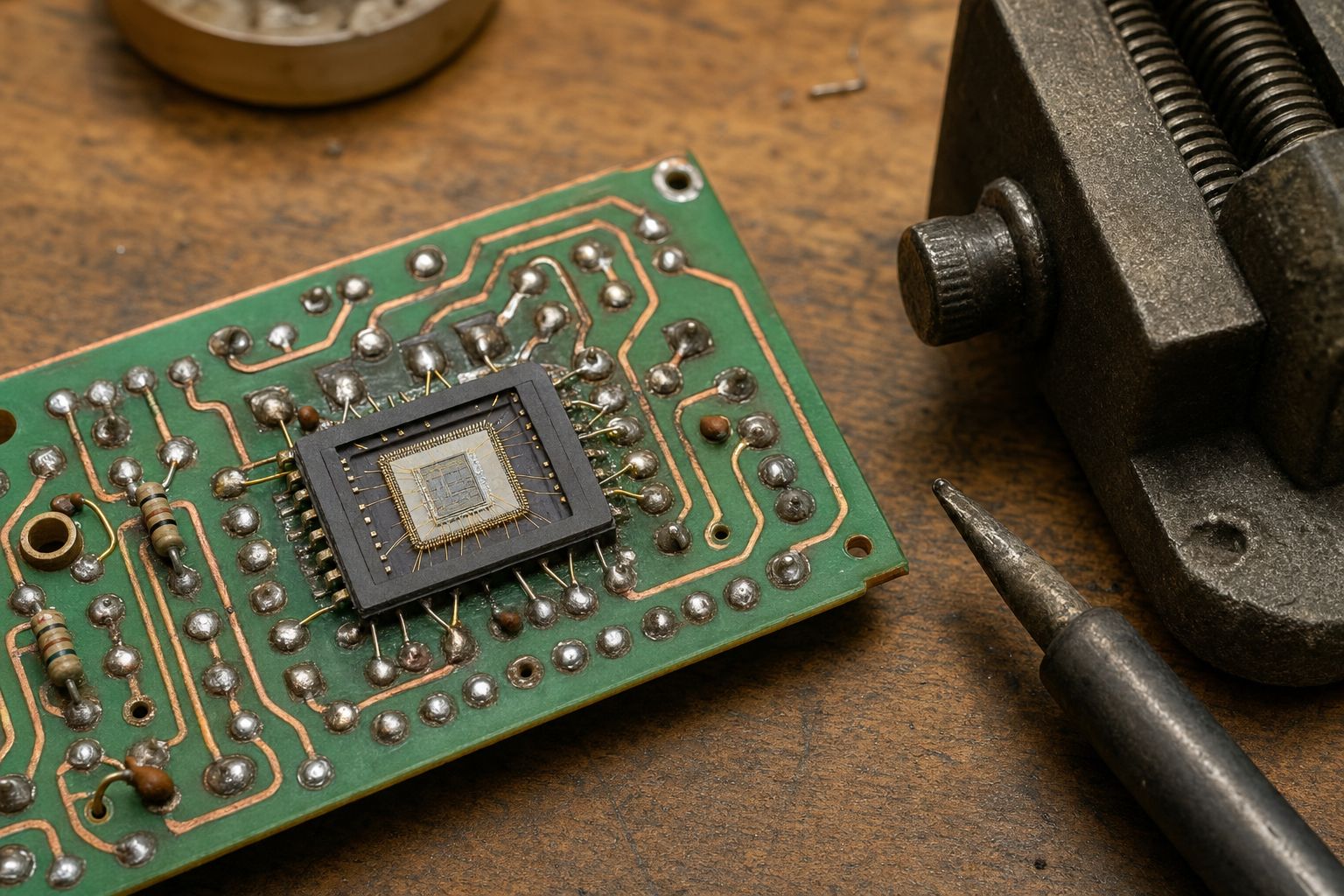
The postwar decades saw explosive suburban growth across California, fueled by the aerospace and defense industries that had boomed during the war and continued through the Cold War. In the Santa Clara Valley south of San Francisco (not yet nicknamed "Silicon Valley"), Fairchild Semiconductor, founded in 1957, trained a generation of engineers who went on to found the companies that gave the valley its name, including Intel in 1968. Historian and former California State Librarian Kevin Starr traced exactly this kind of boom-and-reinvention cycle across his multivolume Americans and the California Dream, the closest thing to a definitive account of how the state kept remaking its own economy every few decades.
Counterculture and Social Movements
California's social movements didn't start in the 1960s: in 1911, California voters approved women's suffrage, giving women the right to vote nine years before the 19th Amendment did so nationally. Half a century later, the state became a center of national social change again. San Francisco's 1967 "Summer of Love" made the city a symbol of the counterculture movement. In the Central Valley, César Chávez and Dolores Huerta founded the United Farm Workers in 1962, organizing farmworkers (many of them Filipino and Mexican American) through strikes and boycotts that won some of the first major labor contracts in American agricultural history. And in 1969, a major oil blowout off Santa Barbara fouled miles of coastline, galvanizing the modern environmental movement and leading to a long moratorium on new offshore drilling in California waters.
From Apple to the Present
Silicon Valley's technology industry, still mostly semiconductors through the 1970s, diversified rapidly after: Apple was founded in a Cupertino garage in 1976, and the personal computer, internet, and eventually smartphone and social-media waves that followed each had a disproportionate share of their major companies founded in the Bay Area. That growth has come with its own costs: a persistent statewide housing affordability crisis, and, in recent decades, increasingly severe wildfire seasons shaped by drought and a warming climate, challenges the state is still working through today.
Into the Twenty-First Century
California felt the 2008 financial crisis and the housing crash that preceded it especially hard, given how much of the state's economy runs on real estate and construction. Foreclosure rates in the Central Valley and Inland Empire ranked among the nation's worst for years afterward. The state's own legal fight over same-sex marriage played out over the same stretch: voters passed Proposition 8 in 2008 to ban it, courts fought over that ban for five years, and the US Supreme Court's 2013 ruling in Hollingsworth v. Perry let same-sex marriage resume in California, two years ahead of the 2015 decision that legalized it nationwide.
Wildfire seasons grew markedly more destructive through the 2010s and 2020s, driven by drought, a warming climate, and decades of fire-suppression policy that had let fuel accumulate in the forests. The 2018 Camp Fire, which destroyed the town of Paradise (not far from the Gold Rush-era Dogtown site covered on our Ghost Towns page), became the deadliest and most destructive wildfire in state history. California was also the first state in the country to issue a stay-at-home order in March 2020, at the start of the COVID-19 pandemic, a step that shaped the following two years as much as any single policy decision in recent state history. Most recently, the generative-AI boom that took off in the 2020s has followed the same pattern as the personal-computer and internet waves before it: disproportionately headquartered in the Bay Area, continuing a hundred-year-plus habit of the region reinventing the state's economy roughly once a generation.
Modern California: A Timeline
A major earthquake and the fires that follow devastate the city on April 18.
California voters approve women’s suffrage, nine years ahead of the 19th Amendment nationally.
William Mulholland’s aqueduct brings Owens Valley water to a rapidly growing Los Angeles.
The bridge connecting San Francisco to Marin County opens on May 27.
Roughly 120,000 Japanese Americans, many from California, are forced into internment camps.
A key founding company of what will become Silicon Valley's semiconductor industry.
César Chávez and Dolores Huerta organize California farmworkers into a lasting labor union.
San Francisco becomes a national symbol of the 1960s counterculture movement.
A major offshore blowout fouls the coast and fuels the growing environmental movement.
Steve Jobs and Steve Wozniak found Apple in a Cupertino garage.
A major earthquake strikes during the World Series, killing 63 and damaging the Bay Bridge.
The housing crash hits California's real-estate-heavy economy hard; voters also pass a same-sex marriage ban later struck down.
The US Supreme Court's ruling in Hollingsworth v. Perry lets same-sex marriage resume in California, two years before nationwide legalization.
The deadliest and most destructive wildfire in state history destroys the town of Paradise.
California becomes the first US state to issue a stay-at-home order at the start of the pandemic.
Frequently Asked Questions
How bad was the 1906 San Francisco earthquake?
The earthquake and the multi-day fires it triggered destroyed far more of the city than the initial shaking. Official death toll estimates at the time were undercounted; modern historical estimates run into the thousands. San Francisco rebuilt rapidly and hosted a world's fair, the Panama-Pacific International Exposition, less than a decade later in 1915.
Why did Hollywood become the center of the film industry?
Early film companies were drawn to the Los Angeles area starting in the 1910s by cheap land, varied natural scenery within easy reach, and near-constant sunshine that suited the technical needs of early filmmaking, building Hollywood into the center of the American film industry through the 1920s.
What was the Japanese American internment during World War II?
Executive Order 9066, signed in February 1942, authorized the forced removal and incarceration of roughly 120,000 Japanese Americans -- the majority US citizens -- into remote camps for the duration of World War II, on the basis of ancestry alone. Tens of thousands were California residents before their removal.
How did Silicon Valley get its start?
Fairchild Semiconductor, founded in the Santa Clara Valley in 1957, trained a generation of engineers who went on to found many of the companies that gave the region its name, including Intel in 1968. The area's semiconductor industry diversified into personal computing, internet and mobile technology in the decades that followed.
Who founded the United Farm Workers?
César Chávez and Dolores Huerta founded the United Farm Workers in 1962, organizing California's largely Filipino and Mexican American farmworker labor force through strikes and boycotts that won some of the first major labor contracts in American agricultural history.
What was San Francisco's Summer of Love?
The Summer of Love, centered on San Francisco's Haight-Ashbury neighborhood in 1967, drew tens of thousands of young people into the city and made it a national symbol of the 1960s counterculture movement.
When was Apple founded?
Steve Jobs and Steve Wozniak founded Apple in a Cupertino garage in 1976, one of the defining companies of Silicon Valley's shift from semiconductors toward personal computing.
What are the biggest challenges facing California today?
A persistent statewide housing affordability crisis and increasingly severe wildfire seasons -- driven by drought and a warming climate -- are among the most significant challenges facing modern California, alongside the state's continued role as a center of the national technology economy.
When did women get the right to vote in California?
California voters approved women's suffrage in 1911, nine years before the 19th Amendment extended the right nationally.
What was the 1969 Santa Barbara oil spill?
A major offshore oil well blowout in January 1969 fouled miles of the Santa Barbara coastline. It became a catalyzing event for the modern environmental movement and led to a long moratorium on new offshore oil and gas leasing in California waters.
How bad was the 1989 Loma Prieta earthquake?
The magnitude 6.9 earthquake struck on October 17, 1989, during a World Series game at Candlestick Park, killed 63 people, and collapsed a section of the San Francisco-Oakland Bay Bridge.