

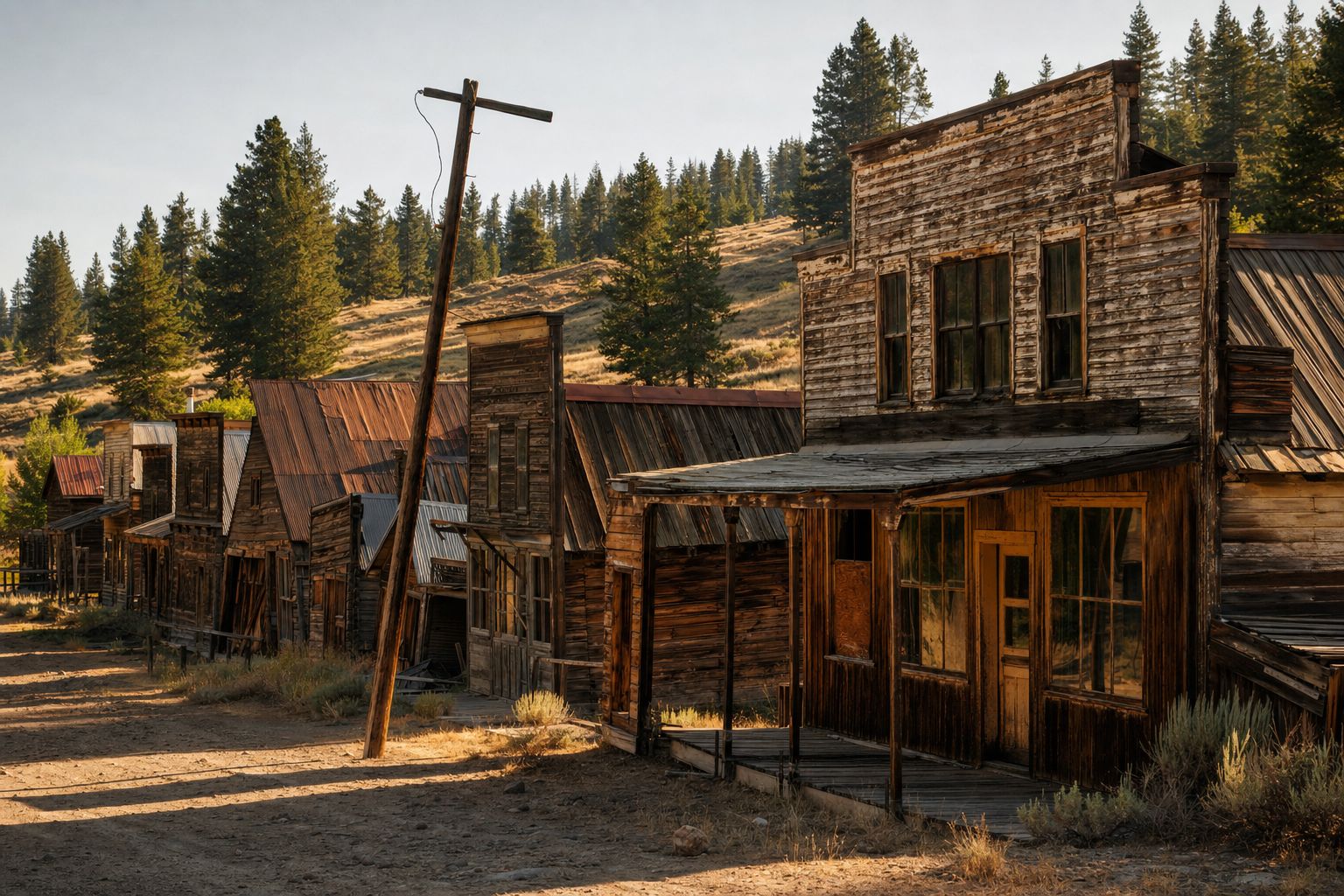
The California Gold Rush and the mining and logging booms that followed it left hundreds of camps and towns scattered across the Sierra Nevada foothills and the Mojave Desert. Most boomed for a decade or two and emptied out just as fast once the easy ore (or timber) was gone. A few — like Bodie — are preserved almost exactly as they were left. Others survive only as a name on a map and a handful of foundations. This directory covers six of them.
What decided a town's fate afterward had less to do with how much it produced and more to do with what came next. Towns near a second resource, a rail line, or a highway, like Randsburg, often held on with a shrinking but real population. Towns that depended on one vein and nothing else, like Bodie, emptied out almost as fast as they filled. A few, like Calico, found a third act as a tourist attraction once the mining stopped paying; Stirling City is still an inhabited town today, decades after the mill that built it closed.
Dogtown
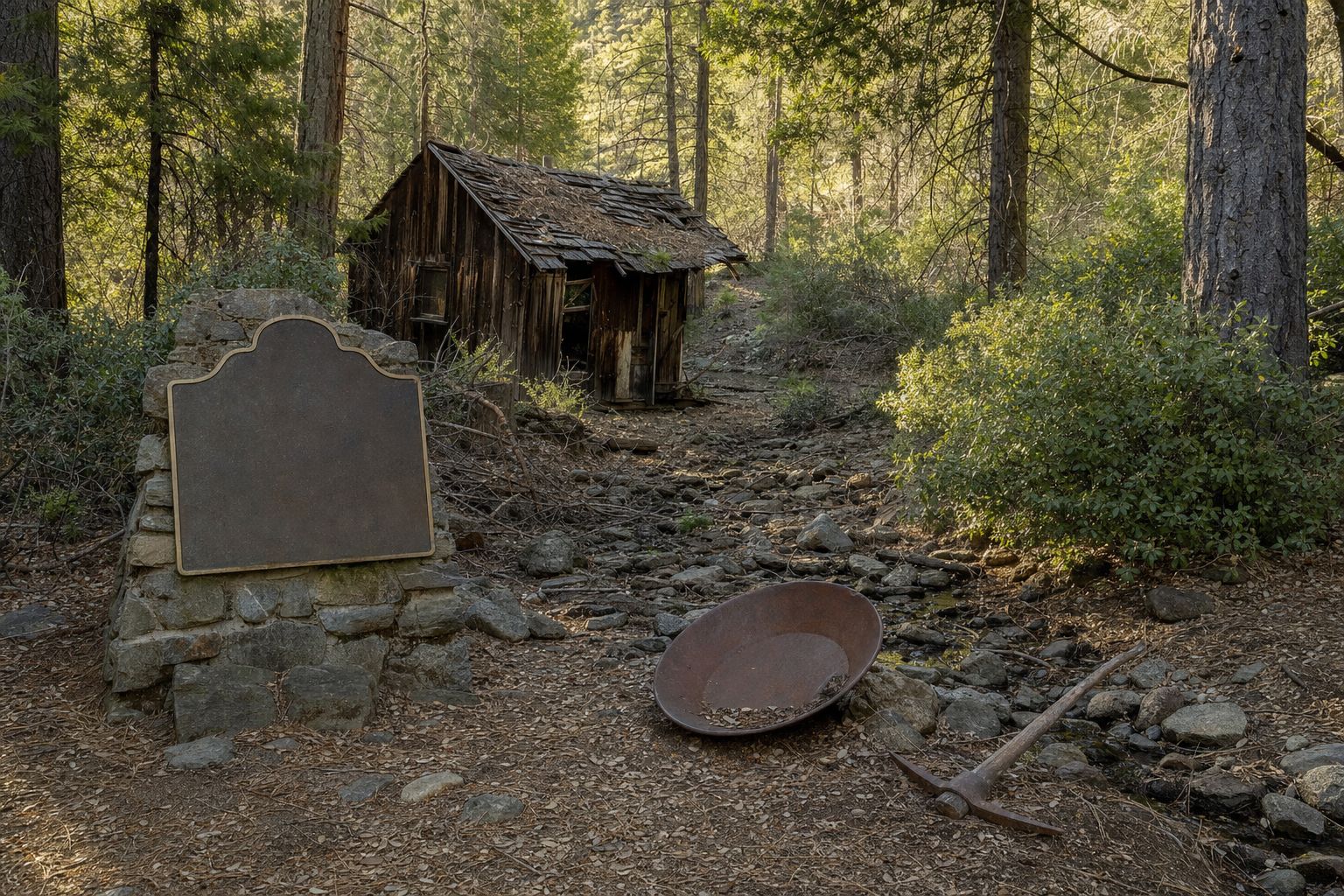
The camp that briefly held the largest gold nugget ever found in California — and lost a naming fight to its own residents' wives.
Site remains; little standing structure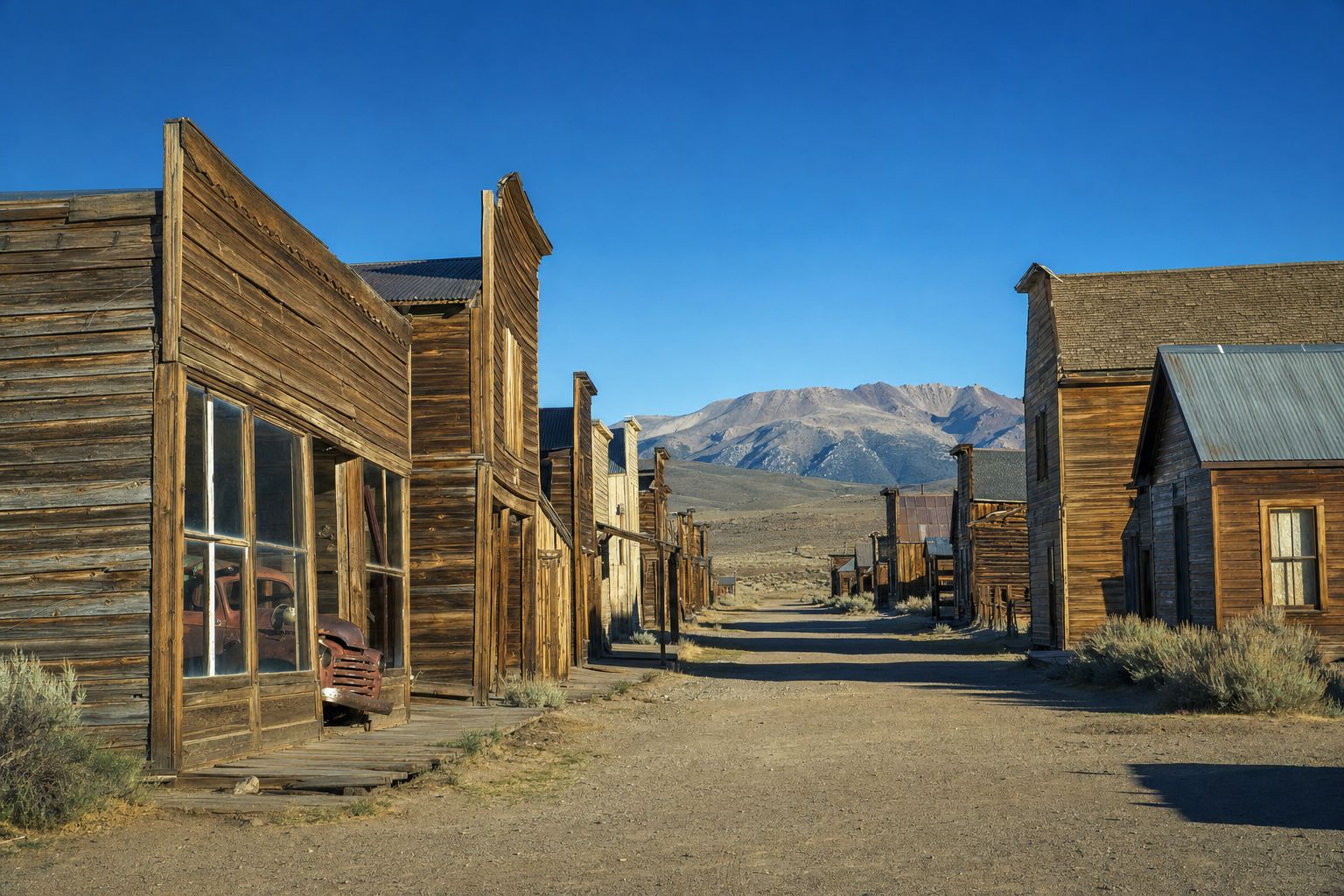
Bodie
A boomtown of several thousand preserved almost exactly as its last residents left it — California’s best-known ghost town.
Abandoned; preserved as a State Historic Park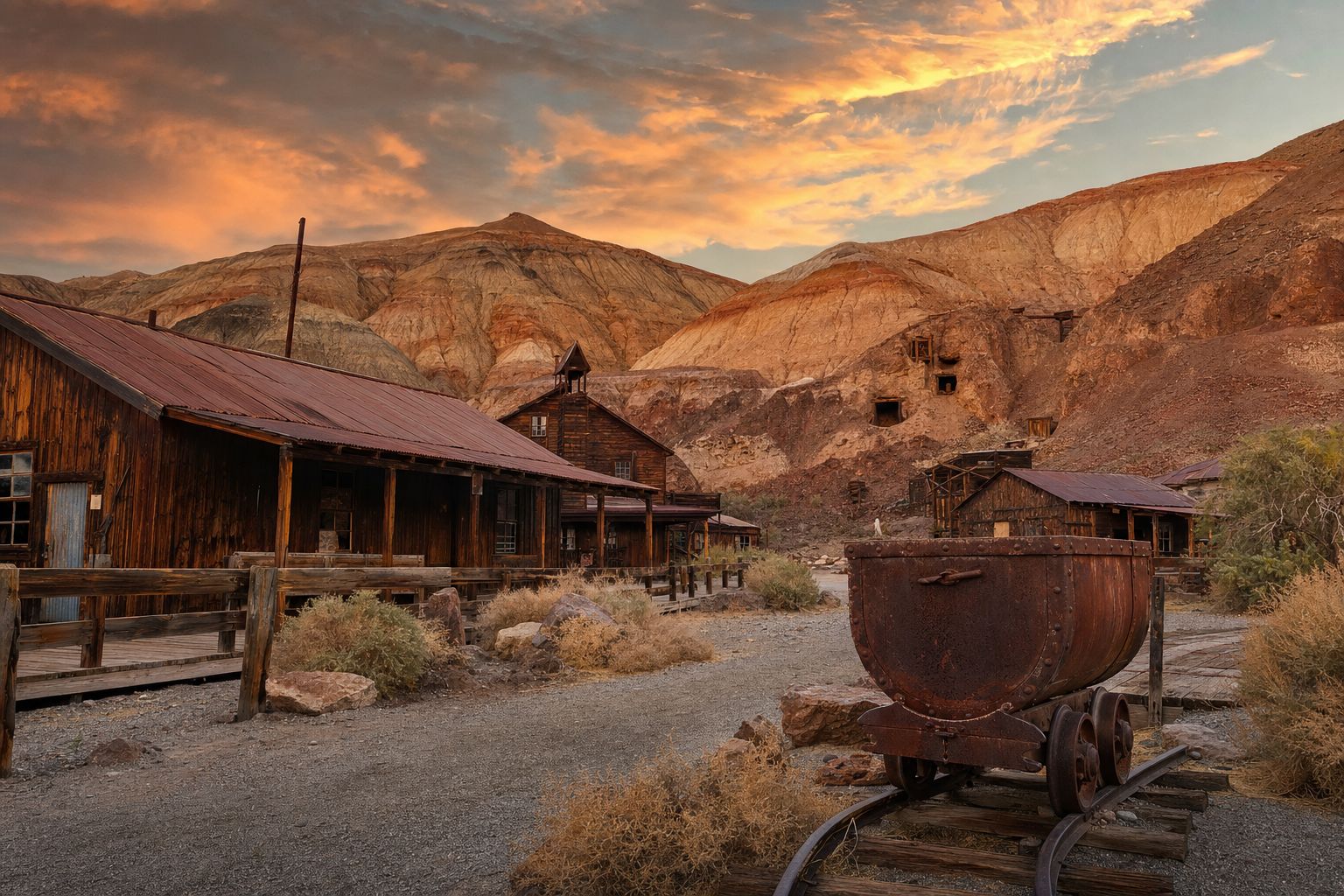
Calico
A Mojave Desert silver-and-borax town that boomed twice, emptied out, and was later restored as a preserved historic attraction.
Restored as a historic attraction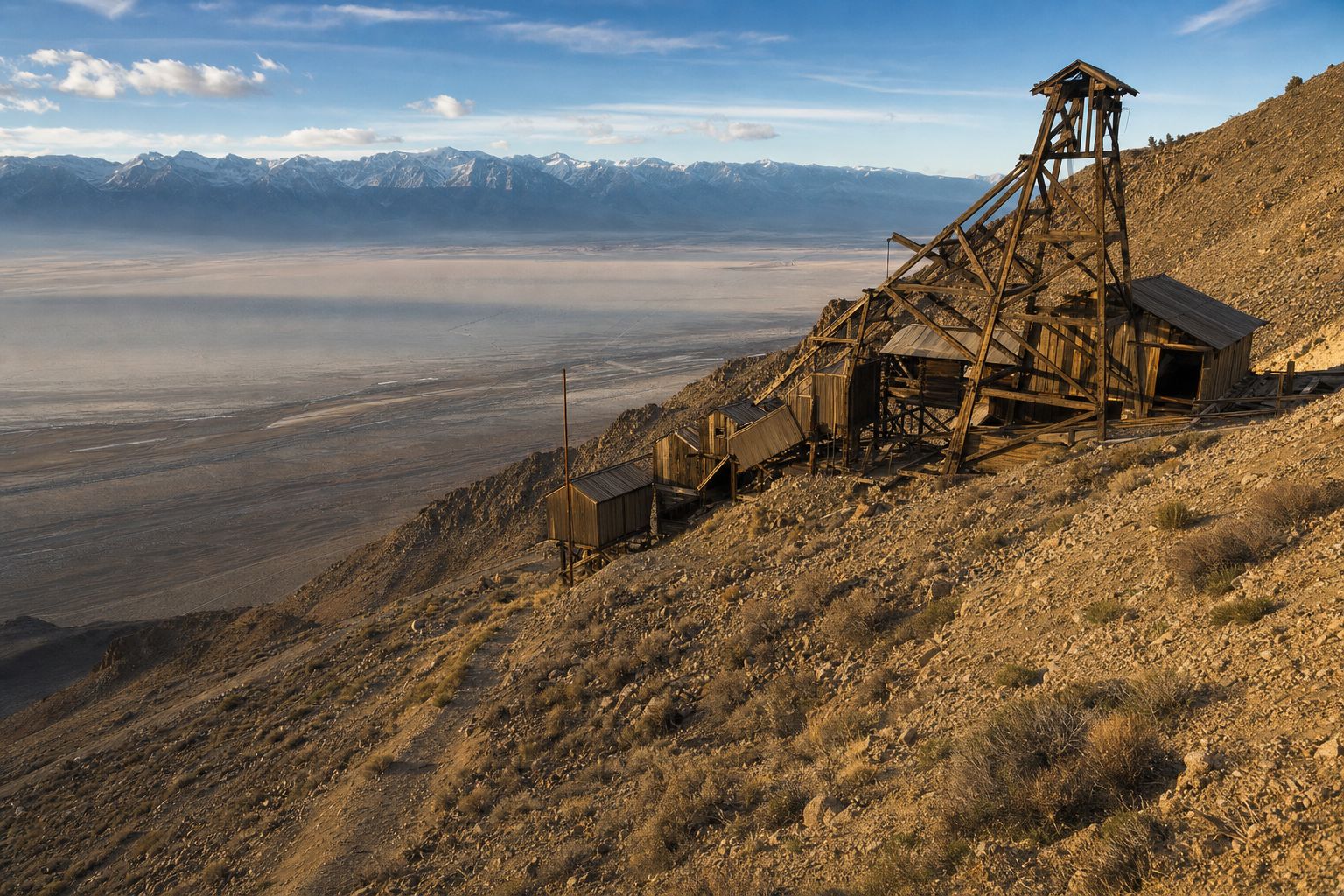
Cerro Gordo
A silver camp high in the Inyo Mountains whose bullion shipments helped bankroll the young city of Los Angeles.
Mostly abandoned; privately owned, under preservation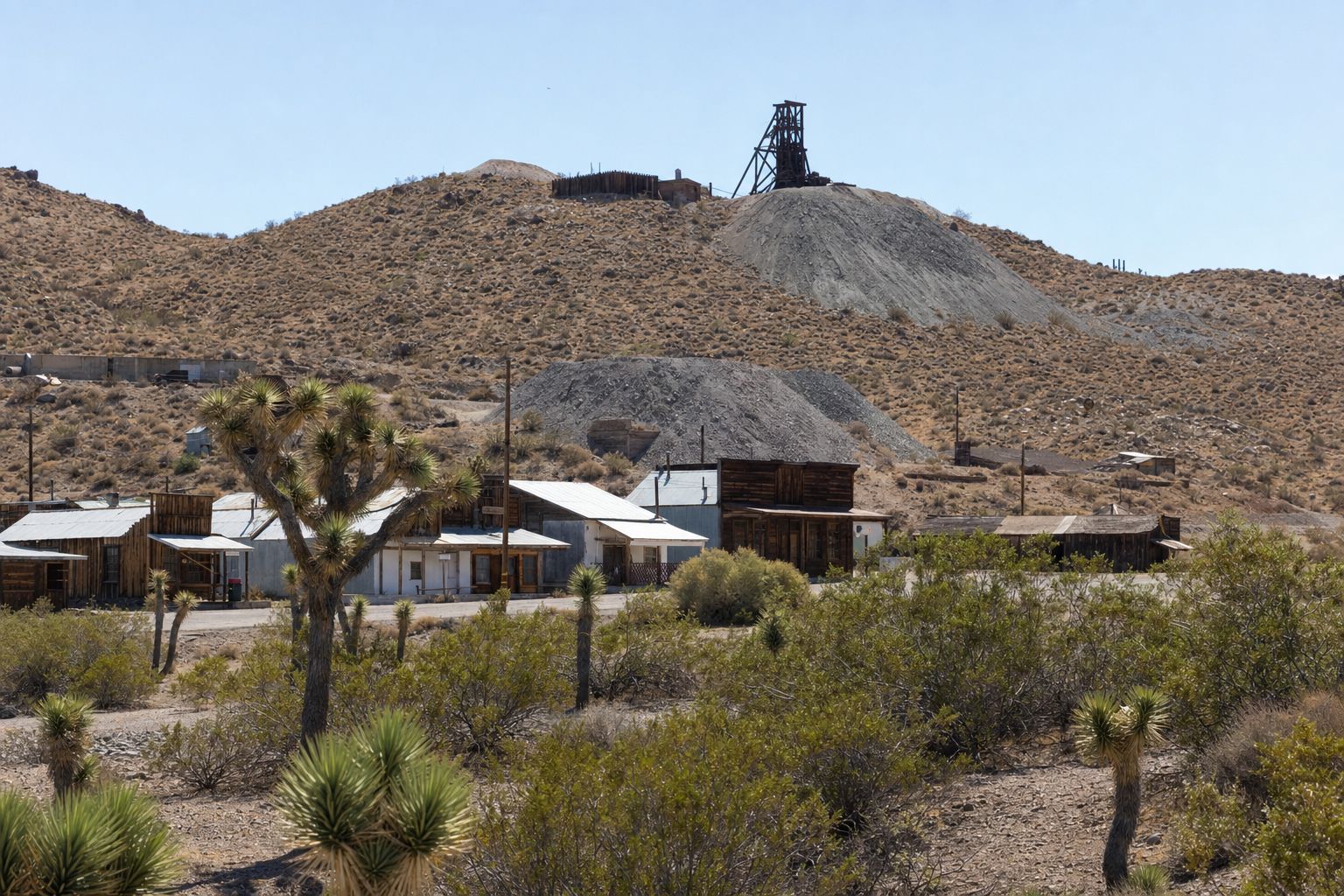
Randsburg
A Mojave Desert gold town that never quite emptied out, and still has year-round residents today.
Still inhabited: not fully a ghost town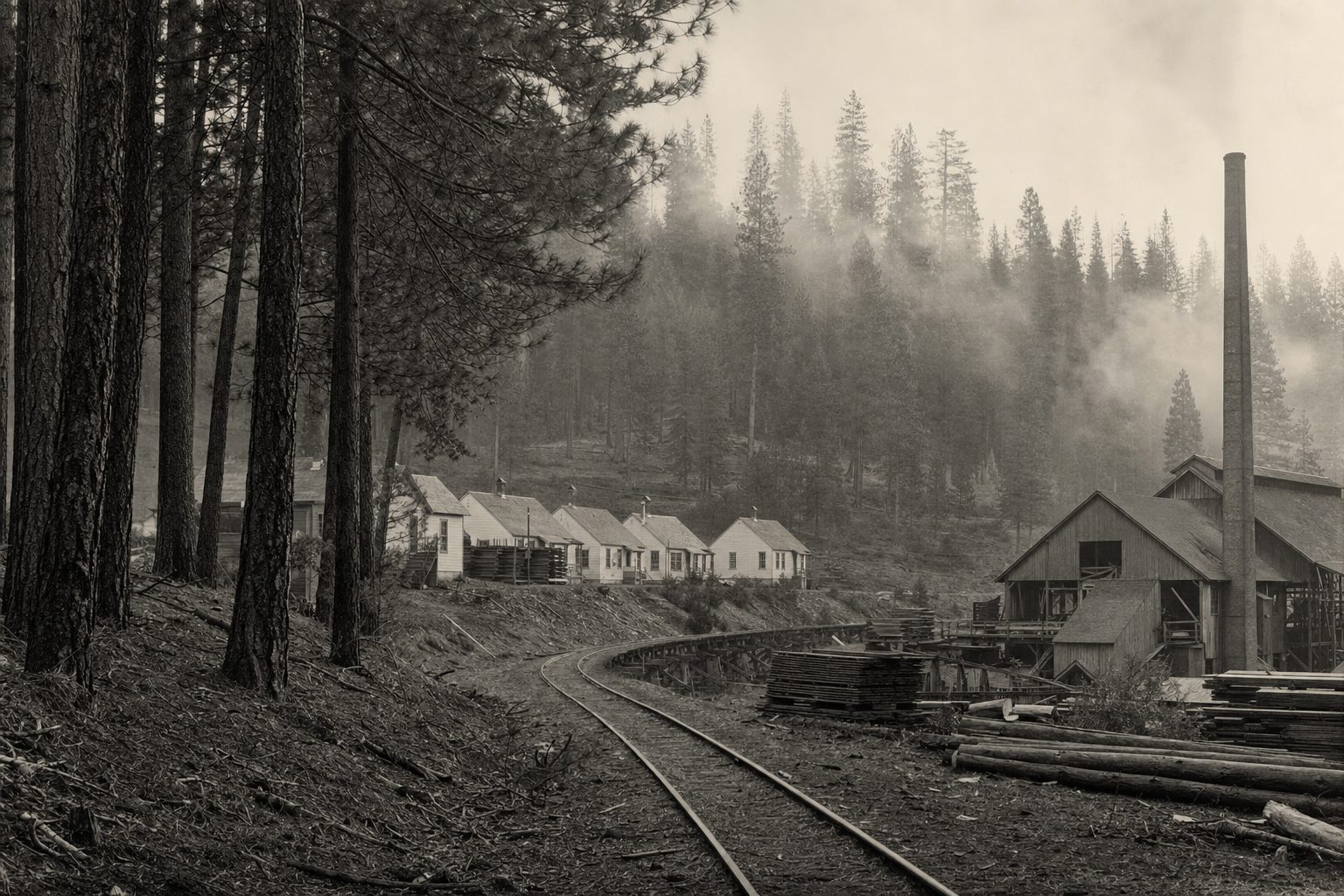
Stirling City
A lumber company built this whole town from scratch, then a 31-mile railroad to reach it — both outlived the mill that justified them.
Still inhabited: a company town that outlived its companyWhat Counts as a Ghost Town Here
Not every abandoned mining camp qualifies for that label in any strict sense — the term covers everything from a site with literally nothing left but foundations to a town like Randsburg that never fully emptied out. What the six covered here share is not a single tight definition so much as a common trigger: each was built almost entirely around one extractable resource, and each declined, whether into total abandonment or just a shrinking population, once that resource or the industry built on top of it stopped paying.
That is also what separates this directory from the Historic Parks covered elsewhere on this site. Several of those parks sit on ground every bit as historically significant as the towns here, but received formal state preservation and staffing that none of these six ever did — which is the real reason one group is actively restored and open on a regular schedule while the other survives mostly as a name on a map.
Frequently Asked Questions
Which of these six California ghost towns can you actually visit?
Bodie and Calico are the two set up for regular visitors — Bodie as a preserved State Historic Park and Calico restored as a historic attraction. Cerro Gordo is privately owned and under preservation, so access depends on the current owners. Randsburg and Stirling City are still inhabited towns rather than museum sites, and Dogtown has little standing structure left to see.
Are any of these six ghost towns still lived in?
Yes — Randsburg and Stirling City never fully emptied out. Randsburg held on with a shrinking population thanks to nearby resources and roads, and Stirling City is a former company town that outlived the lumber mill that built it.
What resources built these six towns?
Four different resources across the six: gold (Dogtown, Bodie, Randsburg), silver (Cerro Gordo), borax (Calico), and timber (Stirling City).
What's the difference between a ghost town here and a State Historic Park covered elsewhere on this site?
Formal state preservation and staffing. Several of the ghost towns are every bit as historically significant as the parks in our Historic Parks directory, but never received the same official designation or ongoing preservation investment — which is why one group is actively restored and open on a schedule while the other survives mostly as a name on a map.