

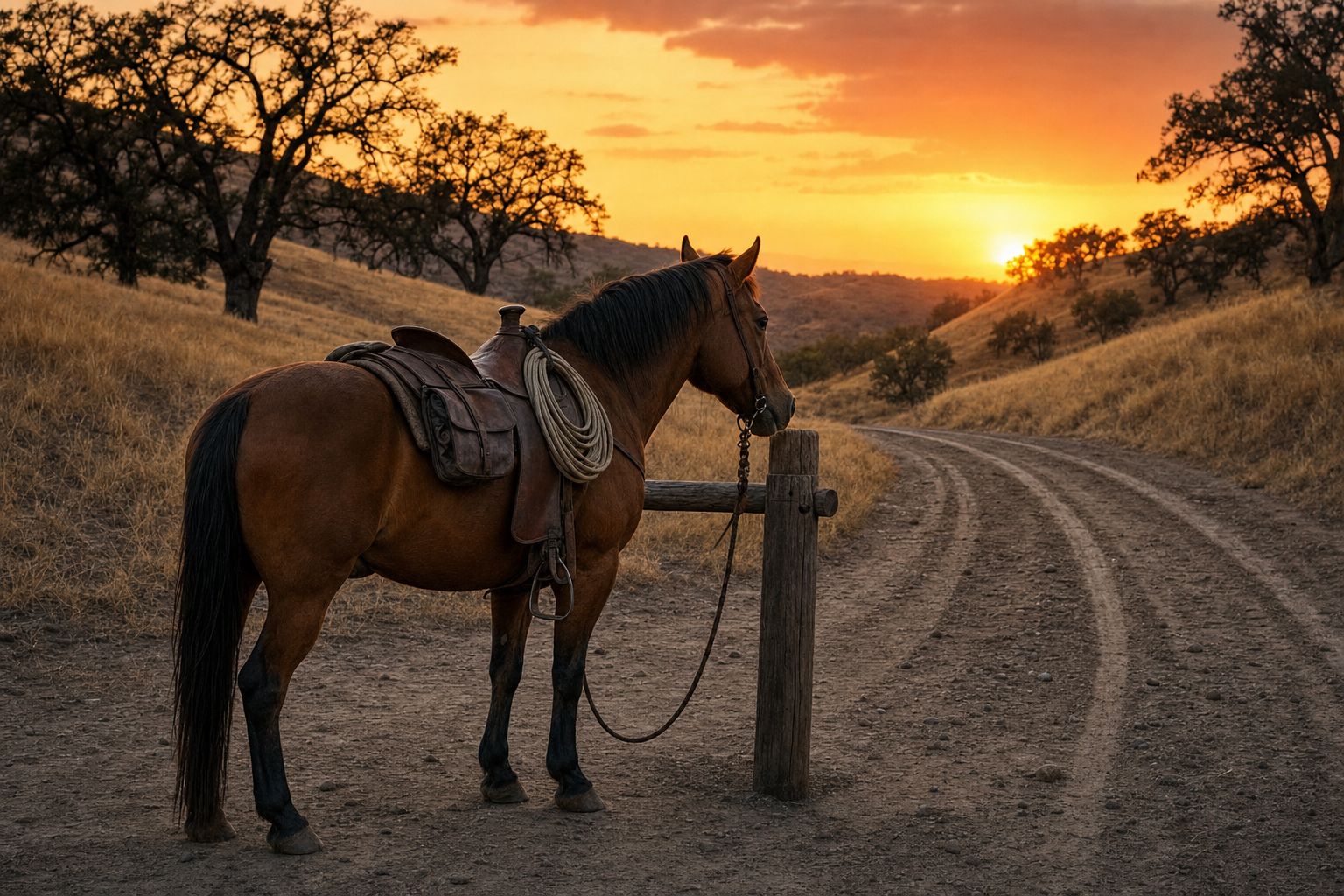
The disruption of the Gold Rush and statehood years (displaced Californio families, a flood of armed newcomers, and thin law enforcement across a huge, suddenly gold-rich territory) produced a run of outlaws whose reputations have outlived them by more than a century. This directory covers three of the best-documented, and is honest about where each story shifts from record into legend.
The three profiled here sit at very different points on that spectrum. Tiburcio Vásquez is the best-documented of the three by far — a real 23-year criminal career reported on in real time by newspapers and a contemporary book written by the man who interviewed him after capture. Joaquín Murrieta sits at the opposite extreme: the popular story traces almost entirely to a sensationalized 1854 pulp novel, and historians still debate whether he was even a single real person. Black Bart falls in between — a genuinely documented figure whose polite, unarmed-in-practice approach to robbery reads more like a character than most outlaws ever managed to be for real.
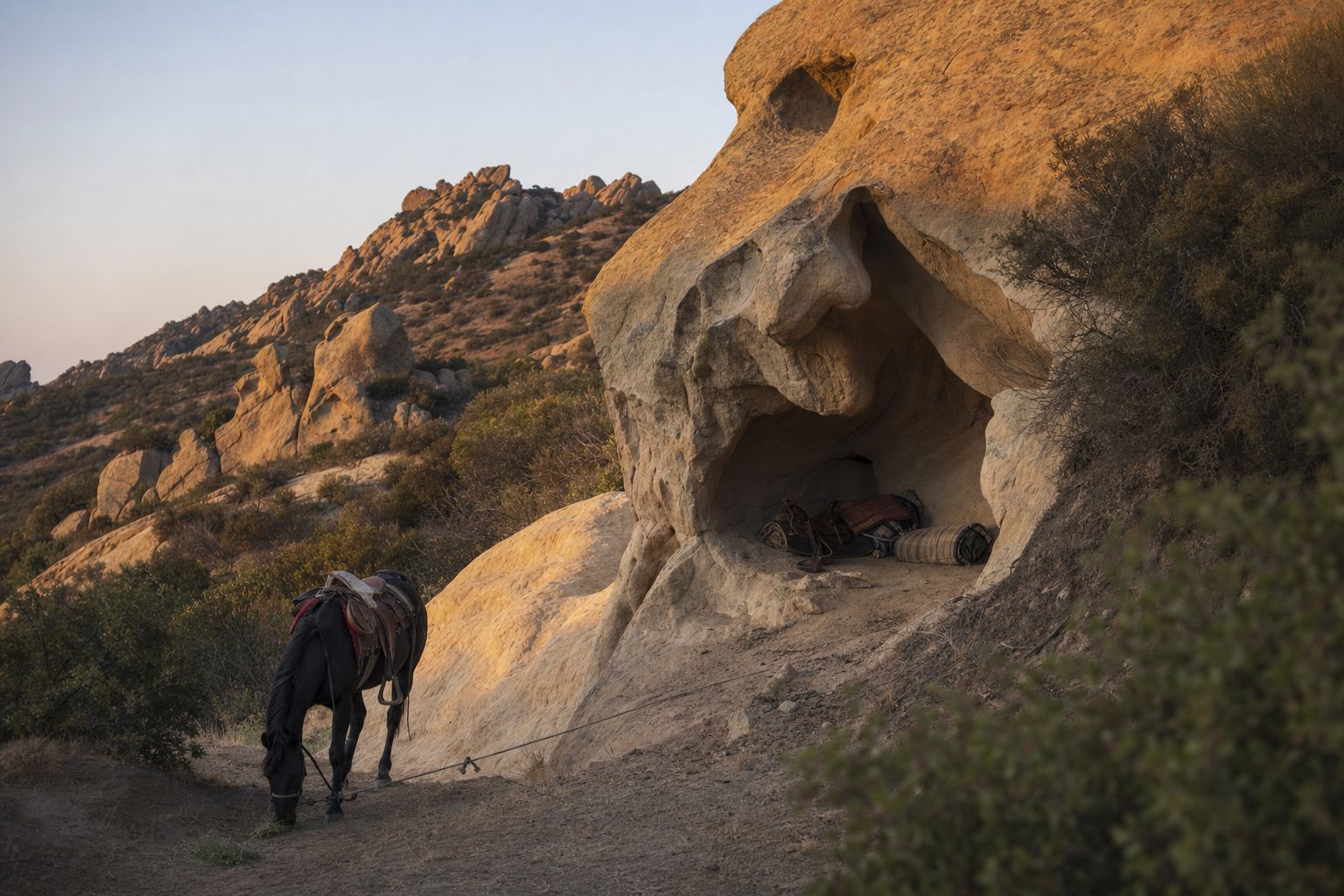
Tiburcio Vásquez
A Californio bandit leader whose 23-year criminal career, a doomed love affair, and a Hollywood Hills manhunt make him the best-documented outlaw of the era.
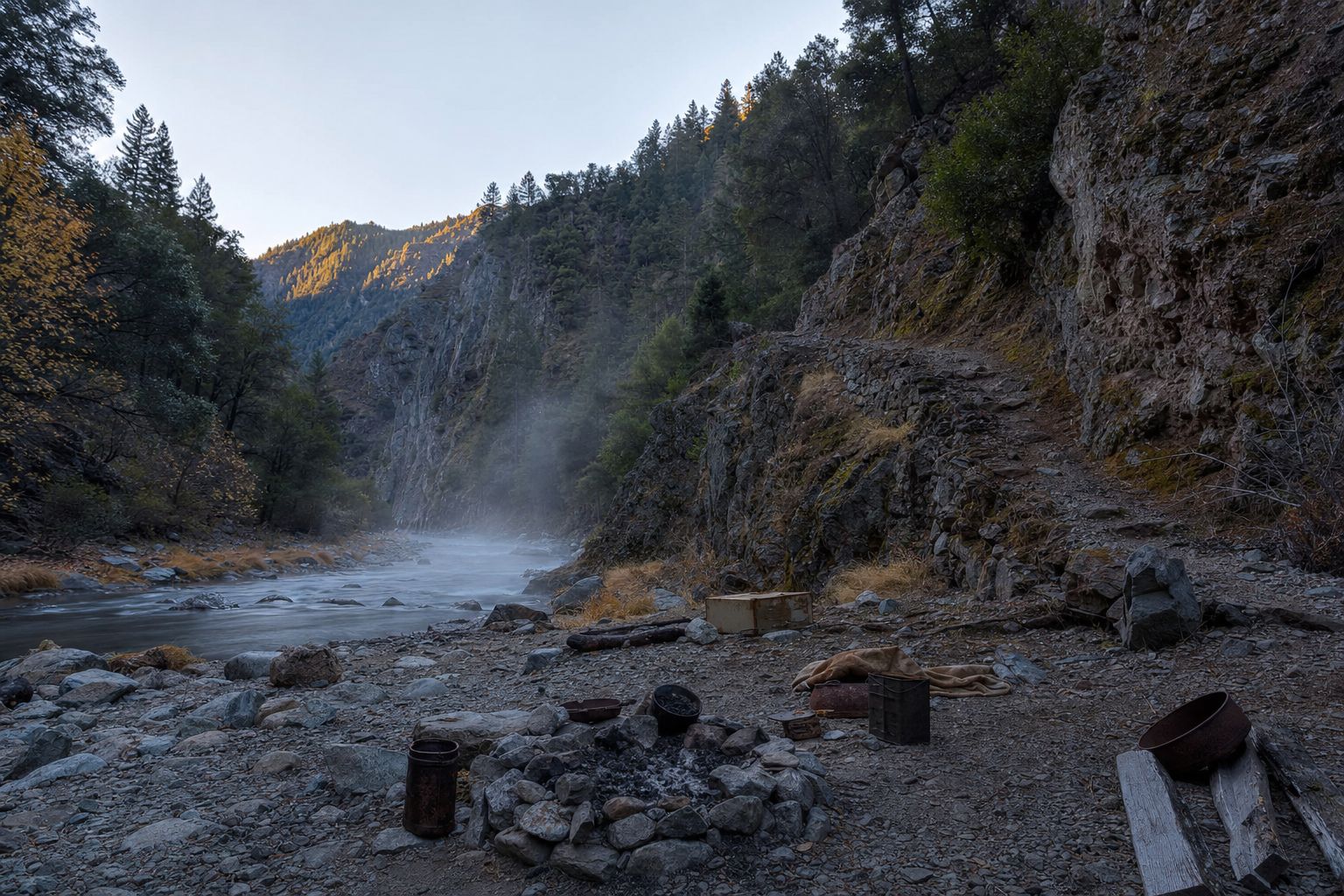
Joaquín Murrieta
A folk-hero bandit figure from the early Gold Rush years whose real biography is tangled almost beyond separation from legend.
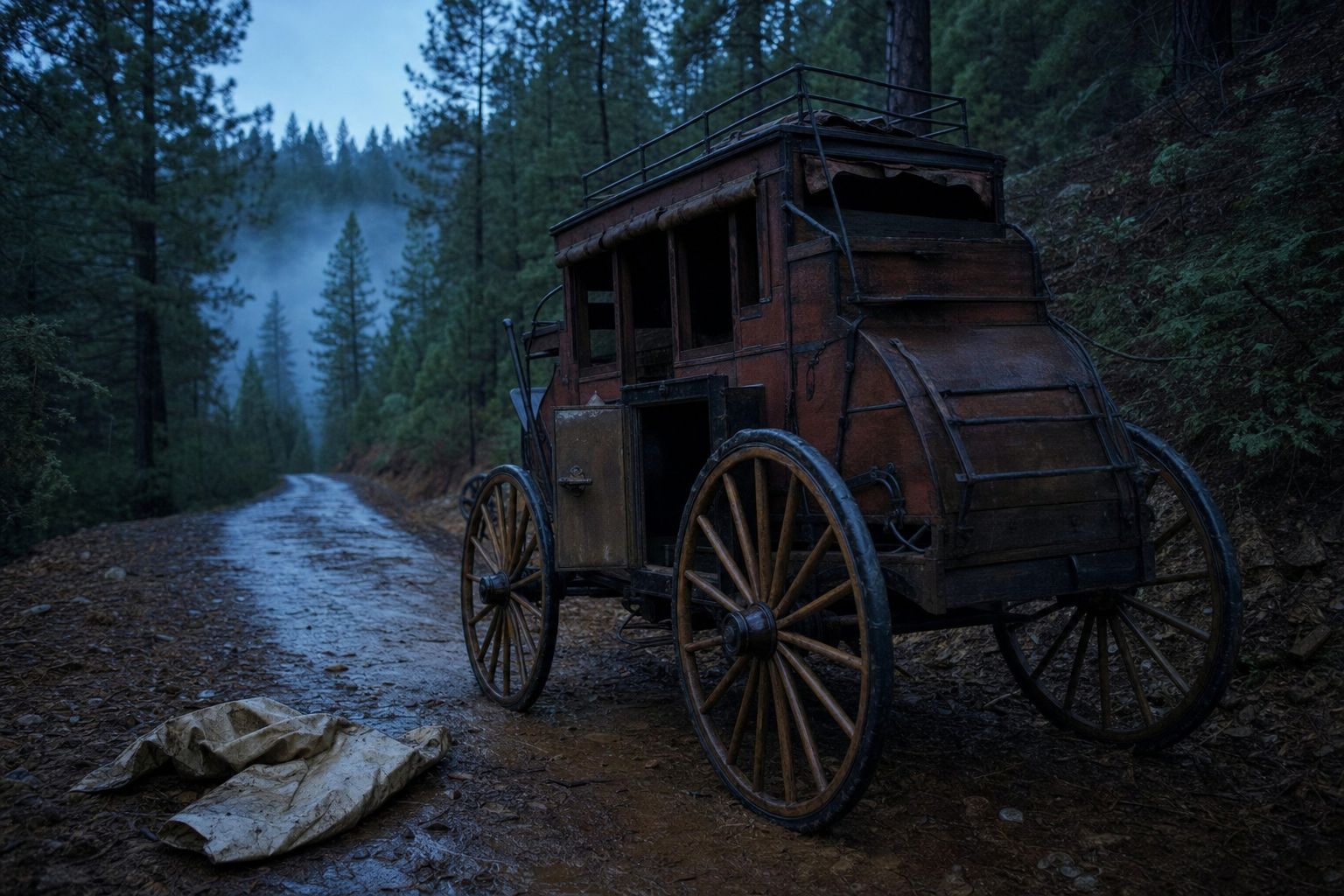
Black Bart
A polite, poetry-leaving stagecoach robber who held up 28 Wells Fargo coaches without ever firing his shotgun.
How These Three Were Chosen
This directory does not attempt to catalog every bandit rumored to have ridden through Gold Rush California — plenty of local legends exist with far less behind them than a name and a ghost story. The three profiled here were chosen because each represents a genuinely different relationship to the historical record: one thoroughly documented in real time by newspapers and a contemporary interviewer, one built almost entirely on after-the-fact myth, and one sitting somewhere in between.
Read together, they say as much about how outlaw legends actually get made and preserved as they do about the outlaws themselves — which is why each page here treats that question directly, rather than retelling the popular version of each story as settled fact.
None of the three broke entirely new ground as a type; California had violence and disorder throughout its early statehood years regardless of who wore the label "outlaw" at the time. What makes these three worth a dedicated page each is simply how much, or how little, verifiable record survives to separate the actual person from the legend that grew up around their name afterward — and, in each case, why that particular legend was the one that outlasted the others from the same disruptive stretch of years.
That spread from thoroughly documented to almost entirely mythical isn't a flaw in the record, it's the record: contemporary reporting was thin and unevenly distributed across 1850s-1870s California, so how well an outlaw's story survives today often has more to do with who was covering them at the time (or interviewing them after capture) than with how significant their actual crimes were. Reading the three side by side is a more honest way to understand the era's outlaw legends than reading any one of them in isolation.
Each of the three also belongs to a specific place and period covered in more depth elsewhere on this site — Vásquez's career and Murrieta's legend both sit inside the disruption of American California & the Gold Rush, while several of the towns and roads they operated around are covered directly in the Ghost Towns directory.
Frequently Asked Questions
Which of these three California outlaws is the most historically documented?
Tiburcio Vásquez, by a wide margin — a real 23-year criminal career reported on in real time by contemporary newspapers and a book written by the man who interviewed him after his capture.
Was Joaquín Murrieta a real person?
Historians still debate it. The popular Murrieta story traces almost entirely to a sensationalized 1854 pulp novel, and there's no equivalent contemporary documentation to what exists for Vásquez or Black Bart.
What made Black Bart different from most Gold Rush-era outlaws?
His genuinely documented, polite, effectively unarmed-in-practice approach to robbery — a real figure whose recorded behavior reads more like an invented character than most outlaws managed to be for real.
What do these three outlaws have in common?
The same underlying disruption: displaced Californio land claims, a sudden influx of armed newcomers during the Gold Rush and statehood years, and law enforcement that took years to catch up with a territory that had grown too fast to govern.