


Black Bart is, by outlaw standards, an unusually well-behaved one. Over eight years of Wells Fargo stagecoach robberies across Northern California, he never fired his shotgun — and on at least a couple of occasions, left a poem behind at the scene.
From Charles Boles to Black Bart
Black Bart was the alias of Charles E. Boles, an English-born American Civil War veteran. His first robbery came on July 26, 1875, at Funk Hill near Copperopolis in Calaveras County, the start of a string of Wells Fargo stagecoach robberies across Northern California that Boles carried out alone, on foot, using a double-barreled shotgun (reportedly kept unloaded, a habit some accounts trace to enough bloodshed already witnessed in the Civil War) and a flour-sack mask to conceal his identity.
Between robberies, Boles lived a genteel double life in San Francisco under his real name, keeping furnished rooms at Webb's Hotel and introducing himself as a mining engineer whose business trips happened to line up with each Wells Fargo hold-up. Historian John Boessenecker's 2023 biography Gentleman Bandit (the first full account of Boles's life in decades) describes exactly how unremarkable Boles seemed to his neighbors: he didn't drink, fight or keep disreputable company, which is precisely why suspicion never reached him until his final capture.
The Poet Bandit
What set Black Bart apart from most stagecoach robbers was his manner: he was consistently described as courteous toward his victims, and at two robbery scenes he left behind short poems signed "Black Bart, the Po8" — a detail well documented in period newspaper accounts and one that has made him a favorite figure in California outlaw folklore ever since.
The best-known of the two opened, "I've labored long and hard for bread, for honor and for riches, but on my corns too long you've tred," before closing with a line about the men chasing him that period newspapers considered too indelicate to print in full even at the time.
Caught by a Laundry Mark
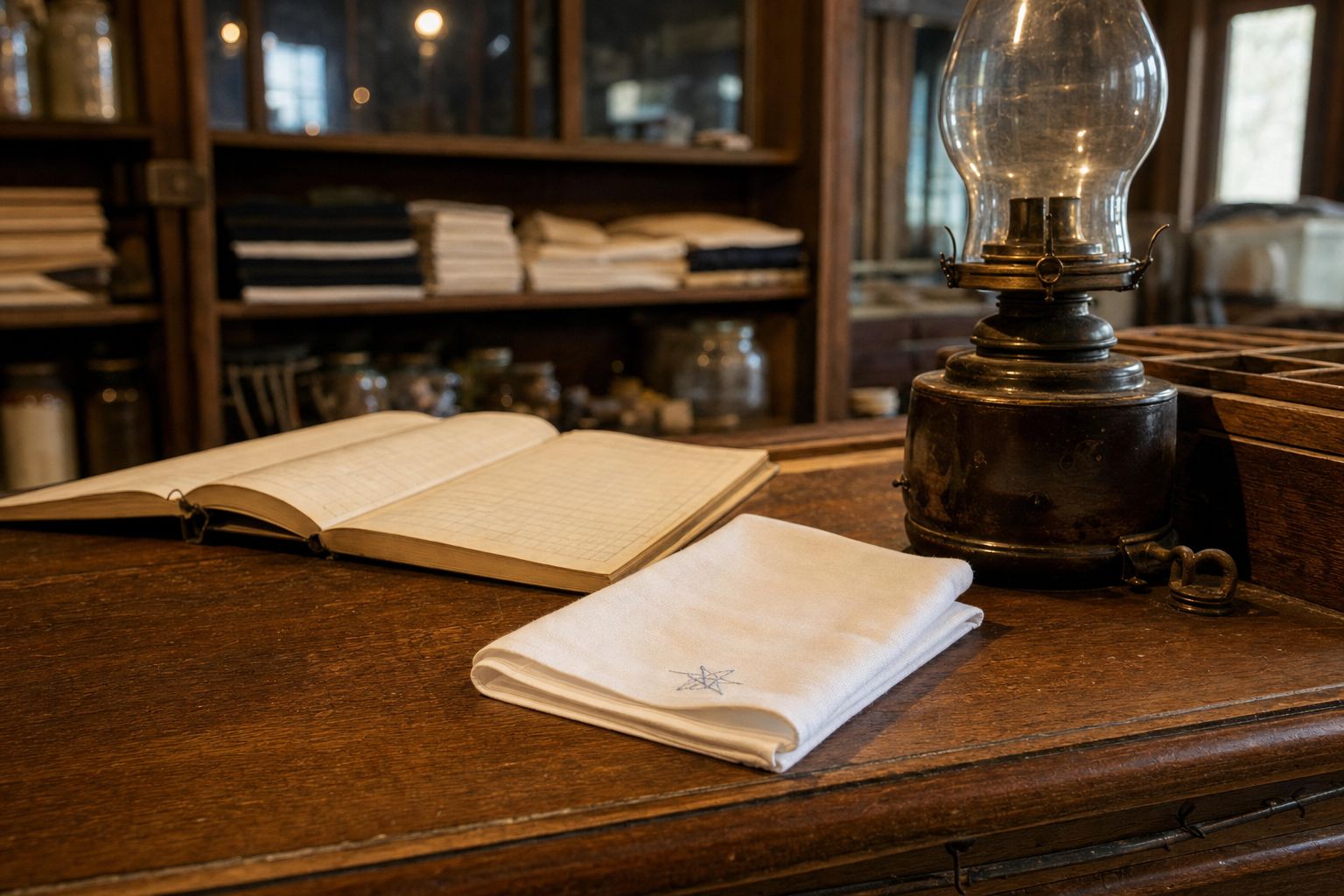
Boles’s downfall came from an ordinary domestic detail rather than a shootout: after a 1883 robbery in which he was wounded and fled, he left behind a handkerchief marked "F.X.O.7." Wells Fargo detective James B. Hume and fellow investigator Henry Nicholson Morse worked their way through nearly 90 San Francisco laundries before tracing the mark to Ferguson & Bigg's California Laundry on Bush Street, and from there, to Boles.
A Quiet Conviction, and a Quieter Disappearance
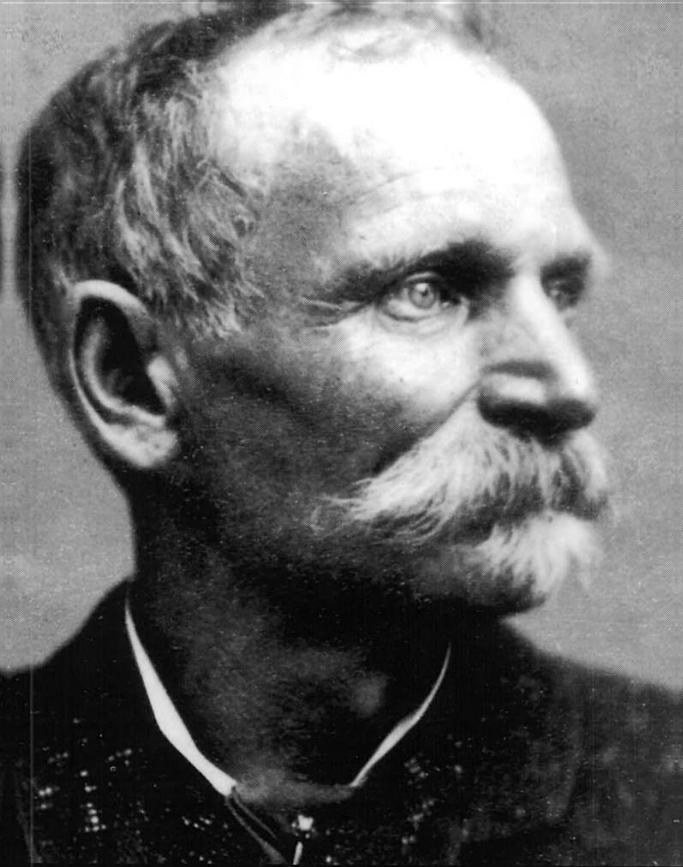
He was convicted of just the one 1883 robbery (of the 28 attributed to him) and served four years at San Quentin, released in 1888. He largely disappears from the historical record after that. His ultimate fate afterward is not definitively documented.
Across those eight years and 28 robberies, Boles made off with roughly $18,000 in gold dust and cash combined: a modest per-robbery haul, and Wells Fargo's own reward for his capture started at just $800 before climbing as the string of holdups dragged on. It was patient detective work, not a large bounty, that finally caught him.
Frequently Asked Questions
Who was Black Bart really?
Black Bart was the alias of Charles E. Boles, an English-born American Civil War veteran who carried out a long string of Wells Fargo stagecoach robberies across Northern California between 1875 and 1883.
Did Black Bart ever fire his gun?
By most accounts, no; across all 28 attributed robberies, he is not documented as having fired his shotgun, which some accounts say was sometimes unloaded.
Why is Black Bart called "the Po8"?
Boles left short poems at two of his robbery scenes, signing them "Black Bart, the Po8," a play on "poet." The detail is documented in period newspaper accounts and became a defining part of his legend.
What did Black Bart's poems actually say?
The better-known of the two opened with the lines "I've labored long and hard for bread, for honor and for riches, but on my corns too long you've tred" — a complaint about the men pursuing him, ending in a line period newspapers considered too indelicate to print in full.
How was Black Bart caught?
After being wounded during a 1883 robbery, Boles left behind a handkerchief marked "F.X.O.7." Wells Fargo detective James B. Hume and investigator Henry Nicholson Morse traced the mark through nearly 90 San Francisco laundries before it led them to Boles.
Did Black Bart have a double life?
Yes — between robberies, Boles lived under his real name in genteel furnished rooms at San Francisco's Webb's Hotel, presenting himself as a mining engineer whose "business trips" happened to coincide with each Wells Fargo hold-up.
What happened to Black Bart after prison?
Boles served time at San Quentin and was released in 1888. He largely disappears from the historical record after that, and his ultimate fate is not definitively documented.
How much money did Black Bart actually steal?
Roughly $18,000 in gold dust and cash across all 28 robberies combined — a modest per-robbery haul. Wells Fargo's reward for his capture started at just $800 and rose only gradually as the string of holdups continued.
More Outlaws & Frontier Figures
- Tiburcio Vásquez — 1835–1875
- Joaquín Murrieta — Active early 1850s