
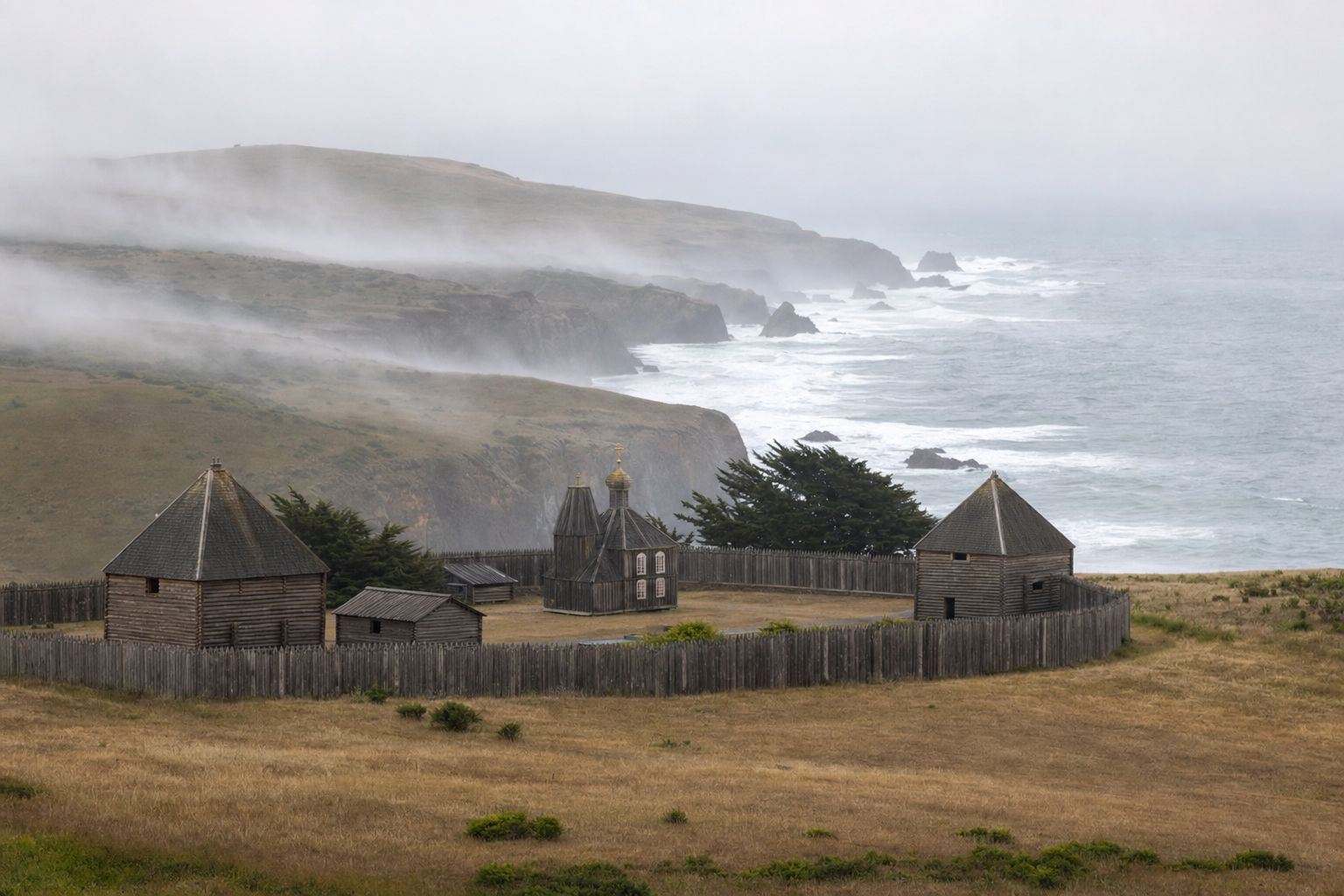
Fort Ross is the clearest physical reminder that Spain and Mexico weren't the only colonial powers with a stake in California's coast. For nearly three decades, this stretch of Sonoma coastline was Russian territory in every practical sense.
A Russian Outpost on the Sonoma Coast
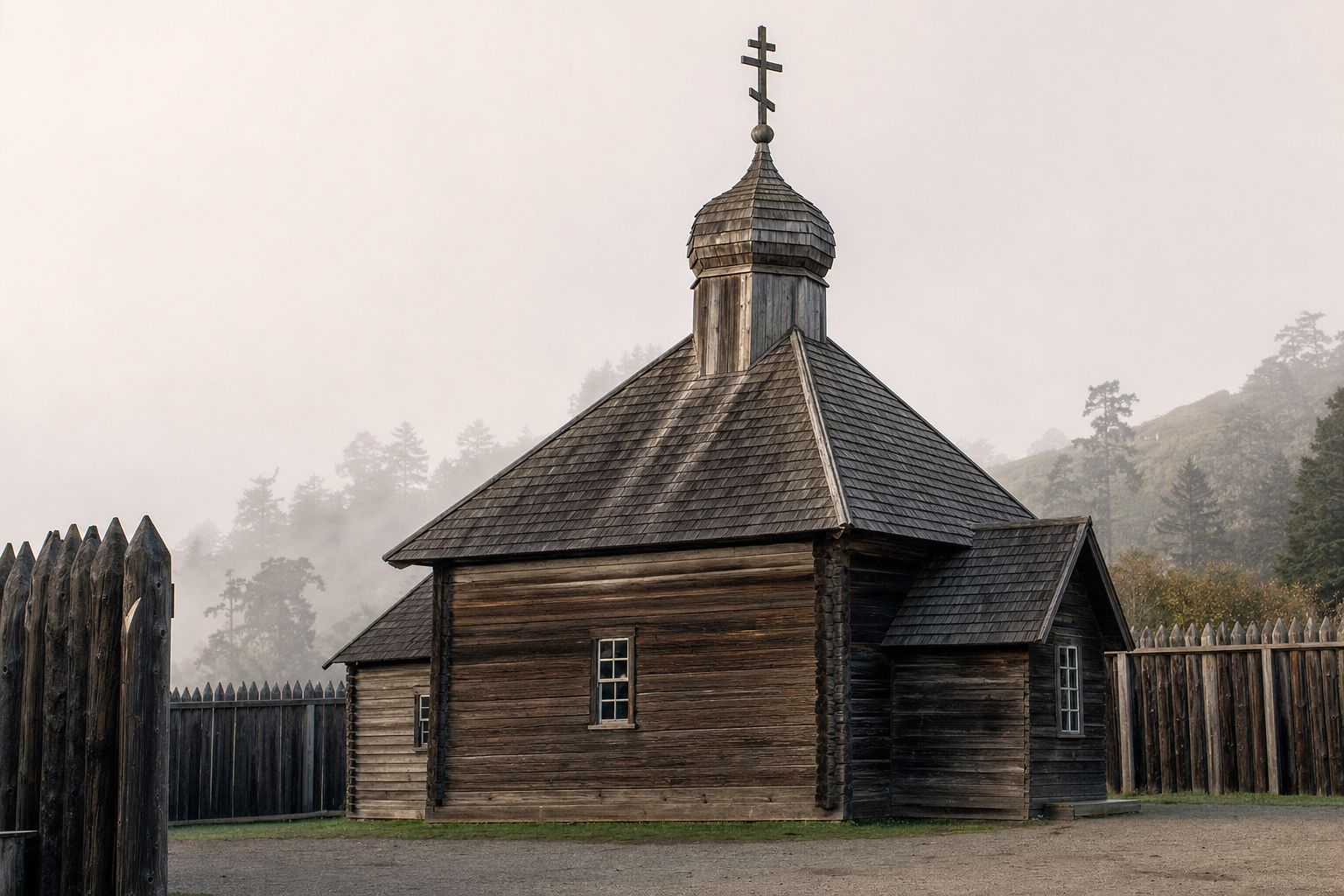
The Russian-American Company established Fort Ross in 1812 as a fur-trading and farming outpost, supporting sea-otter hunting operations extending down the Pacific coast from Russian Alaska. The fort included a wooden stockade, blockhouses, residential buildings, and a small Russian Orthodox chapel, the first such chapel built in California.
The Kashaya Pomo and a Tri-Cultural Settlement
The Russians did not arrive at an empty coastline. The Kashaya Pomo (the only Pomo group to live directly on the Sonoma coast, with territory stretching some thirty miles inland to Dry Creek) had already lived in the area for as long as 10,000 years by the time Fort Ross was built. In 1812, following Russian policy of negotiating rather than simply seizing land, the Russian-American Company reached an agreement with the Kashaya for the roughly one-by-two-mile parcel the fort occupies.
What followed was an unusually tri-cultural settlement for colonial California: Russian administrators and craftsmen, Alaska Native Aleut sea-otter hunters brought south by the company, and Kashaya laborers all worked and lived in proximity at the fort for three decades. Partly because the Kashaya were spared the forced removal to missions that devastated other California Native nations, and partly because of their relative isolation, they are today considered the most culturally intact of the Pomo groups — with more living speakers of the Kashaya language than all other Pomo groups combined.
The Southern Edge of Russian America
Fort Ross represented the furthest south Russia’s colonial ambitions in North America ever reached. Spanish and later Mexican authorities never formally recognized Russian sovereignty over the site, but lacked the practical ability to remove the outpost either — a standoff that lasted for the better part of three decades without escalating into open conflict.
Decline and Sale
By the early 1840s, the sea-otter population that justified the outpost’s fur trade had been hunted toward collapse, and the Russian-American Company’s interest in maintaining a costly, remote farming and trading post had faded. Fort Ross was sold in 1841 to John Sutter, connecting this era directly to the story of Sutter’s Fort and the American period that followed.
A Century in One Family's Hands
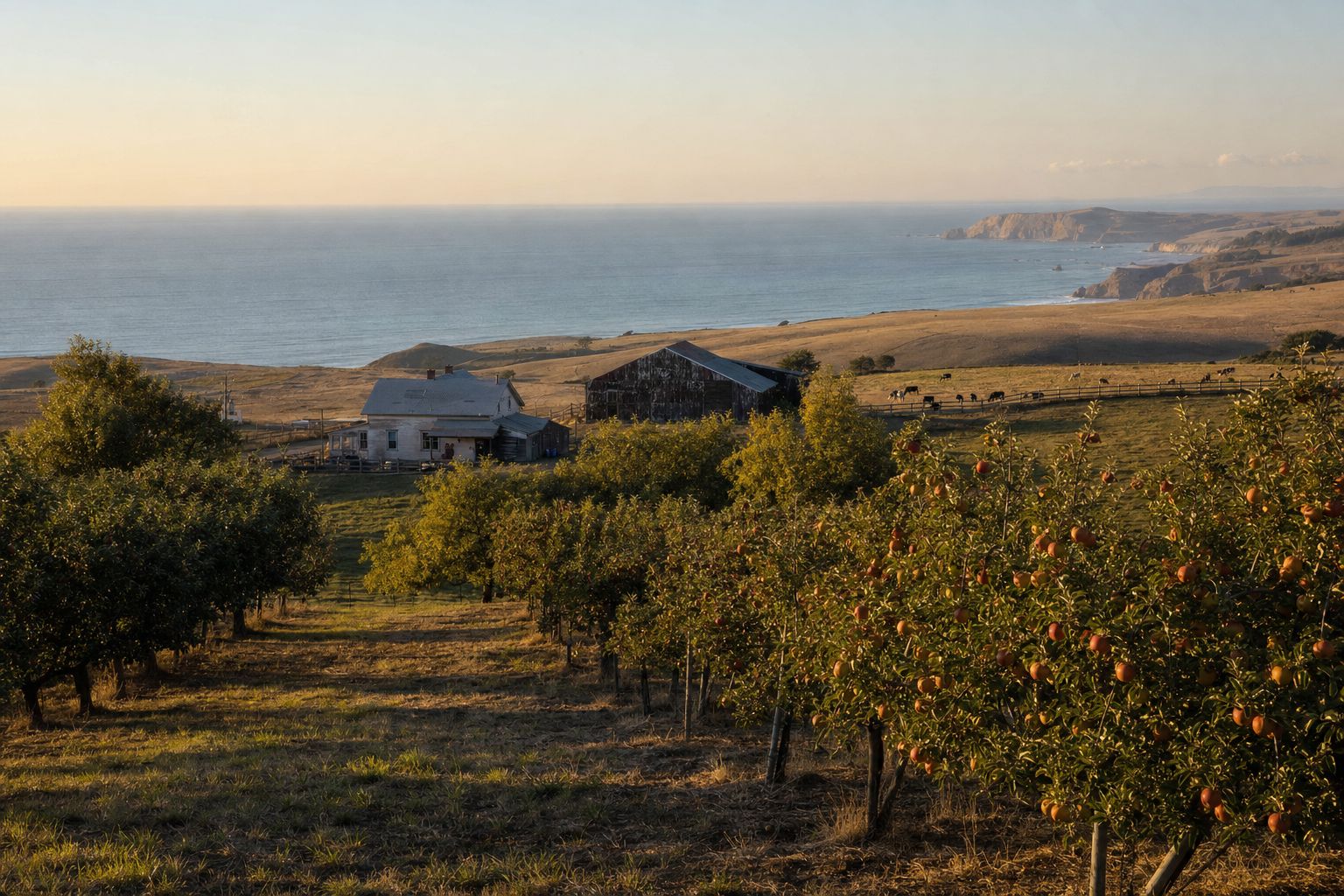
After Sutter, the property passed through several owners before Ohio-born rancher George W. Call bought roughly 8,000 acres including the old Russian stockade in 1873. The Call family turned it into a working ranch and shipping point, exporting cordwood, apples, dairy and other goods to San Francisco, and made Fort Ross a genuine community center for the next hundred years — a history the Library of Congress's own Historic American Buildings Survey documentation of the Call Ranch preserves in detail today.
Preservation began within the Call family's own tenure: in 1903, the Native Sons of the Golden West purchased the stockade area from Call specifically to protect it, and the state classified it a historic monument in 1909. The Calls kept ranching the surrounding land regardless, and it wasn't until 1973 (exactly a century after George Call's original purchase) that the family finally deeded the rest of the property to the State of California, completing Fort Ross's transition into the park it is today.
Frequently Asked Questions
Why did Russia build a fort in California?
The Russian-American Company established Fort Ross in 1812 as a fur-trading and farming outpost to support sea-otter hunting operations extending down the Pacific coast from Russian Alaska.
Who lived at Fort Ross besides the Russians?
The Kashaya Pomo, whose territory the fort occupied by a negotiated 1812 land agreement, and Aleut sea-otter hunters brought south from Alaska by the Russian-American Company. All three groups lived and worked at the settlement together for its roughly three-decade existence.
Did Spain or Mexico ever control Fort Ross?
No. Spanish and later Mexican authorities never formally recognized Russian sovereignty over the site, but also lacked the practical ability to remove the outpost, resulting in a decades-long standoff that never escalated into open conflict.
Why did Russia give up Fort Ross?
By the early 1840s, the sea-otter population that justified the fur trade had collapsed from overhunting, and the outpost was no longer profitable enough to justify its cost. It was sold in 1841.
Who bought Fort Ross when Russia sold it?
John Sutter purchased Fort Ross in 1841, connecting it directly to the story of Sutter’s Fort in Sacramento and the era that followed.
How did Fort Ross become a state park?
The Call family bought the property in 1873 and ran it as a working ranch for a century. Preservation began under their ownership too (the Native Sons of the Golden West bought the stockade area in 1903 specifically to protect it, and the state classified it a historic monument in 1909), but the Calls didn't deed the rest of the land to California until 1973.
More Historic Parks
- Columbia State Historic Park — Tuolumne County
- Sutter's Fort State Historic Park — Sacramento
- Malakoff Diggins State Historic Park — Nevada County