

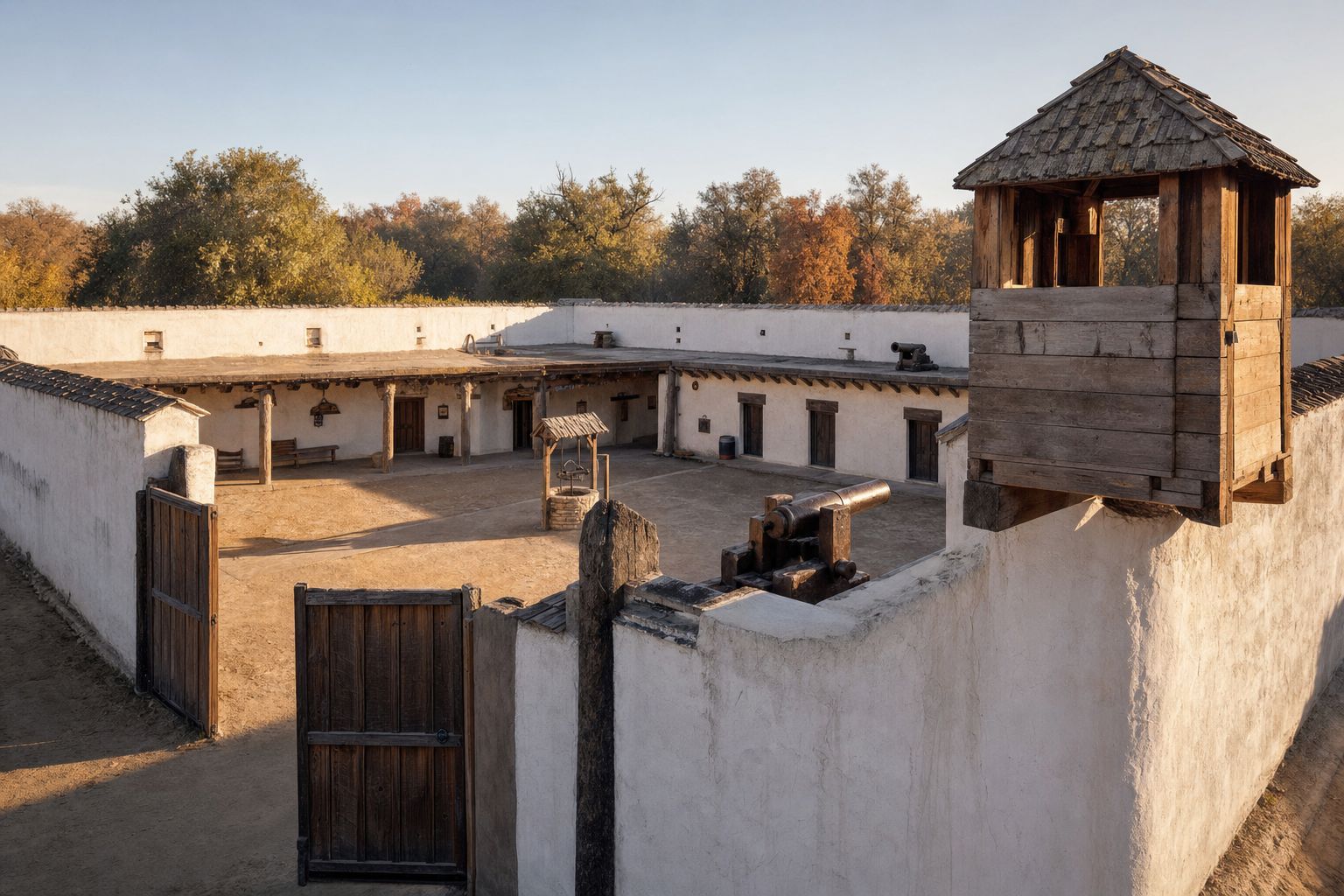
Sutter's Fort predates the Gold Rush by nearly a decade, and its story is really the story of how Sacramento came to exist at all, as the headquarters of John Sutter's ambitious, ultimately doomed agricultural colony.
Sutter's New Helvetia
Swiss-born John Sutter built the fort between 1839 and 1841 under a Mexican land grant, as the center of an agricultural and trading colony he named "New Helvetia." At its peak, Sutter’s operation included farming, livestock, a distillery, and workshops, all administered from the fort’s thick adobe walls — one of the largest privately organized settlements in Mexican-era California.
A Self-Sufficient Community Inside One Building
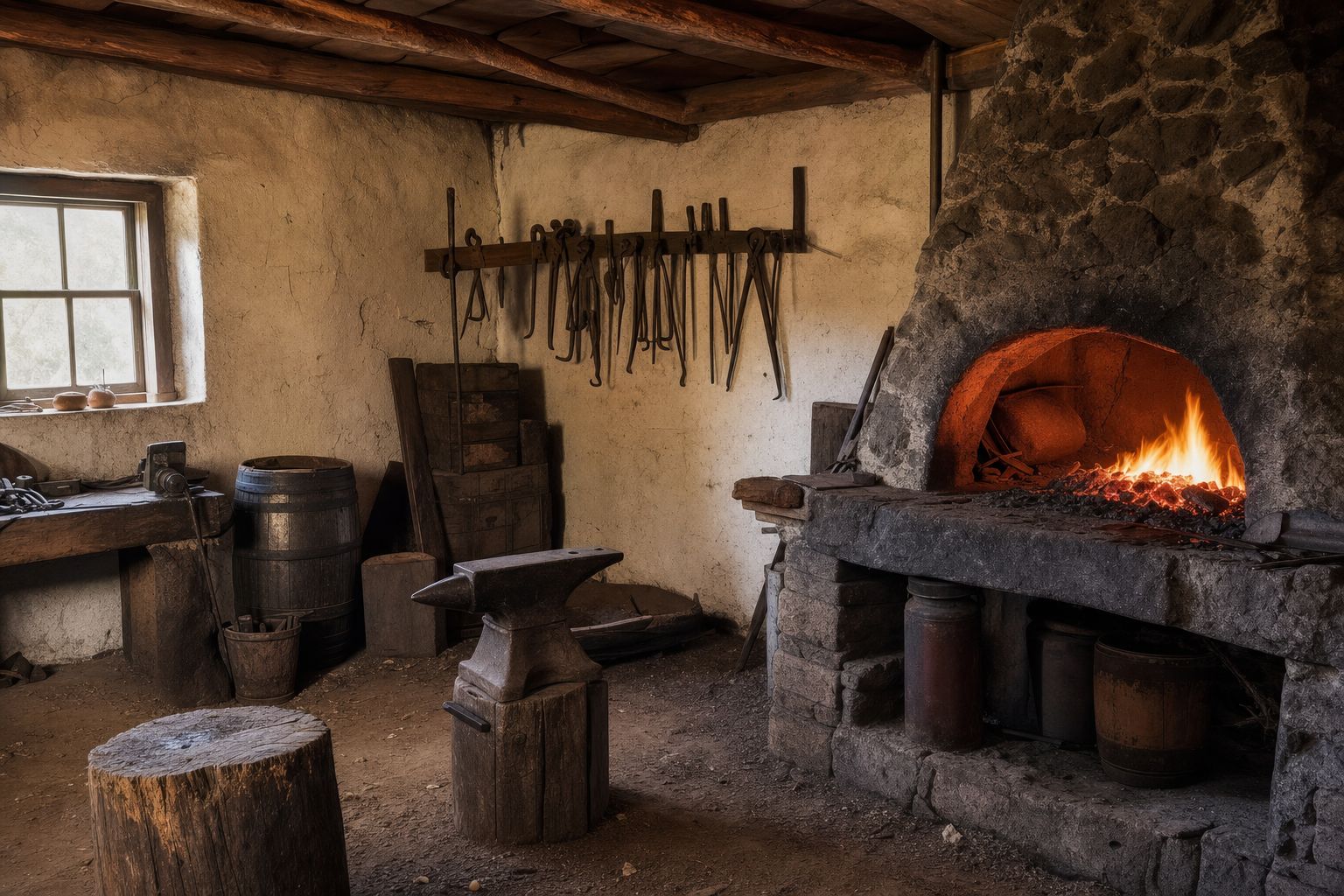
Everything New Helvetia needed was made or grown inside the fort's single walled compound. A blacksmith shop, bakery, blanket factory, distillery and carpentry workshop lined the interior walls around a central adobe structure, alongside a general store, a jail, and a kitchen capable of feeding up to 200 workers and visitors a day. Bastions at opposite corners of the wall stood ready to defend the whole operation.
Sutter also offered free lodging to newly arrived immigrants, making the fort not just a business but the de facto first stop for nearly every overland traveler reaching Mexican-era California — a role that would prove decisive once the Gold Rush began. Sutter kept his own day-by-day account of running the fort in what survives today as the New Helvetia Diary, a primary record historians still draw on directly for the colony's daily operations.
A Waypoint for Overland Emigrants
As overland emigration to California increased through the 1840s, Sutter's Fort became a key destination and waypoint: most notably for survivors of the Donner Party's disastrous winter crossing of the Sierra Nevada in 1846–47, who were brought to the fort for aid after rescue.
The Doorstep of the Gold Rush
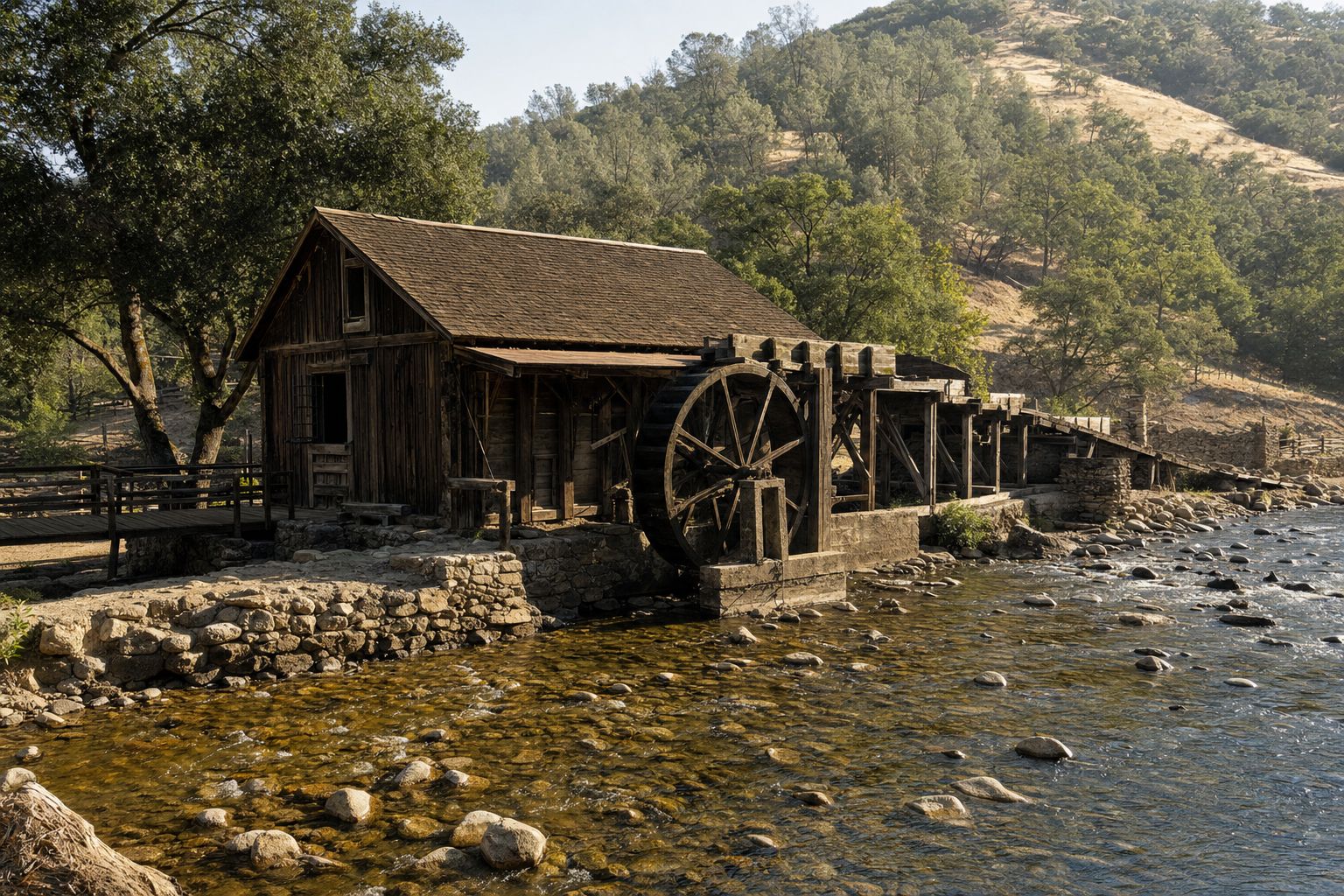
Sutter's Fort sits at the center of the event that started the Gold Rush, even though the discovery itself happened elsewhere: James W. Marshall found gold in 1848 at a sawmill he was building for Sutter at Coloma, roughly 50 miles up the American River from the fort. News of the discovery, and much of the resulting supply and immigration traffic, moved through Sutter's own settlement — even as the flood of newcomers the discovery unleashed ultimately overwhelmed and dispossessed Sutter of most of his own land and fortune.
From Ruin to Reconstruction
The fort fell into disrepair after the Gold Rush years and Sacramento’s subsequent growth, with only the original central building surviving intact. Much of what stands today reflects reconstruction efforts beginning in the 1890s and continuing under Depression-era public works programs in the 1930s, restoring the fort to its approximate original layout on its original site in what is now central Sacramento. Sutter built and ran New Helvetia under Mexican authority, making the fort's early years part of the period covered on our Mexican California era page.
There is a real irony at the center of Sutter's Fort's history: the same discovery that made Sutter's chosen location the doorstep of the Gold Rush is also what ruined him. The flood of newcomers that followed Marshall's 1848 find at Coloma overran New Helvetia's land, workforce and resources faster than Sutter could manage or defend, and he spent the rest of his life fighting largely unsuccessful legal battles to hold on to what remained of his original Mexican land grant. The fort that once stood at the center of Mexican-era California's overland immigration route ended up a casualty of the very boom it helped set in motion.
Frequently Asked Questions
Who built Sutter's Fort and why?
Swiss-born colonist John Sutter built the fort between 1839 and 1841 under a Mexican land grant, as the headquarters of an agricultural and trading colony he called "New Helvetia," one of the largest privately organized settlements in Mexican-era California.
What was inside Sutter's Fort?
A blacksmith shop, bakery, blanket factory, distillery, carpentry workshop, general store, jail, and a kitchen able to feed up to 200 people a day, all built into the walls of a single self-sufficient compound, with free lodging offered to newly arrived immigrants.
What role did Sutter's Fort play in the Donner Party story?
Survivors of the Donner Party's disastrous 1846–47 winter crossing of the Sierra Nevada were brought to Sutter's Fort for aid after their rescue, making it a key waypoint in that story's aftermath.
How is Sutter's Fort connected to the Gold Rush?
Gold was discovered in 1848 at a sawmill John Sutter was having built at Coloma, roughly 50 miles from the fort. News and supply traffic from the discovery moved through Sutter's own settlement, even as the resulting rush ultimately overwhelmed and dispossessed Sutter of most of his land.
Is the current Sutter's Fort the original building?
Only the central building survives from the original 1839–1841 construction. Most of the fort as it stands today reflects reconstruction efforts starting in the 1890s and continuing through Depression-era public works projects in the 1930s, on the fort's original site.
More Historic Parks
- Columbia State Historic Park — Tuolumne County
- Fort Ross State Historic Park — Sonoma Coast
- Malakoff Diggins State Historic Park — Nevada County